How community food projects can tackle hunger, loneliness and food waste

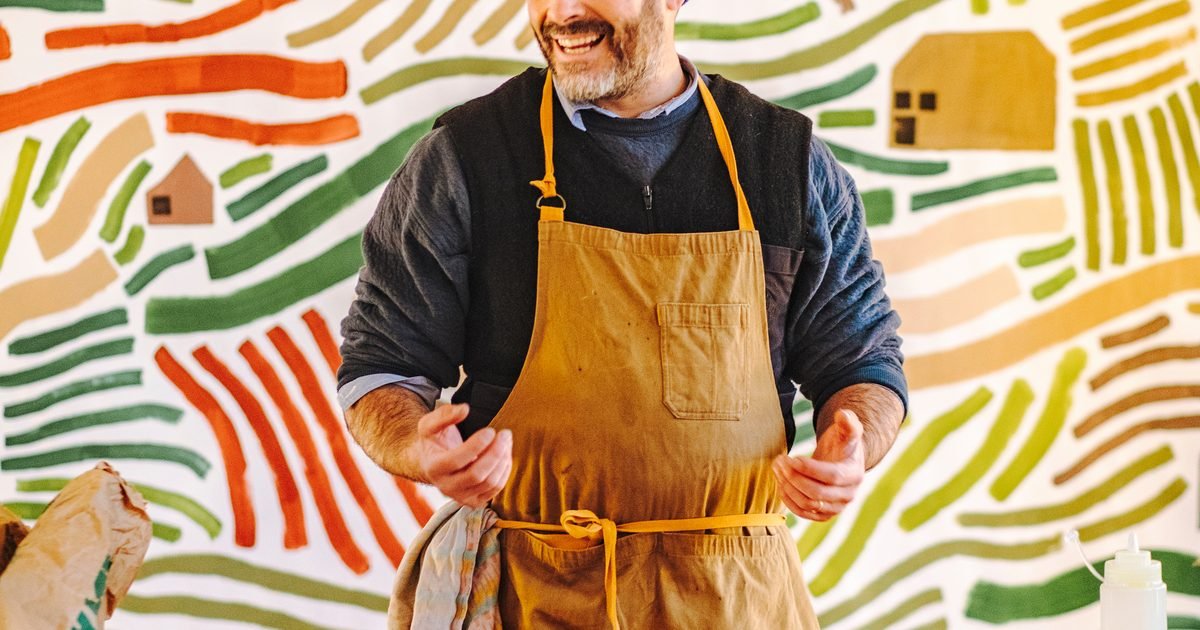
As a child, we lived above my family’s bakery (Hobbs House Bakery) in Gloucestershire. There was flour everywhere, and bread was the rhythm of our lives. I’m a fifth-generation baker, and now my son is the sixth. In many ways, this is the job – passing skills on to the next generation. I have such fond memories of jamming doughnuts in the family bakery in the middle of the night.
Food has always been my first language, and my relationship with bread has inspired this. The word ‘companion’ comes from the Latin com and panis, ‘with bread’. Sharing food is one of the oldest ways we care for one another. This idea sits at the heart of The Long Table in Stroud (and recently in Cirencester, too), a pay-what-you-can community restaurant where we have served hundreds of thousands of meals since we first opened our doors in 2018. But what matters most isn’t the number, it’s what happens around the table – watching people of different backgrounds and walks of life come together.

Our model is simple: pay what you can. Some people pay more, some pay less, and some can’t pay at all. That’s the point. There is enough food that no one should go hungry, yet on average, we waste more than a third of what we buy in UK households. This ethos shapes how we source our food, working closely with local farmers and growers to build food resilience. By committing to seasonal crops in advance, we help small farms thrive while shortening supply chains and strengthening local food systems.

The name, The Long Table, comes from an old saying: ‘If you have more than you need, build a longer table, not a higher wall.’ I’m not claiming this is the answer to everything, but I do know that when people eat together, something shifts. A shared meal can nourish more than hunger – it can create belonging, dignity and hope.

- Start with what your community really needs, not just what you think it needs. Sit with the idea. What does success look like, smell like, taste like?
- Be clear about your purpose, then ask for help. People are often far more willing to support a good idea than you imagine – but they need to know what you need. Sometimes all it takes is putting the question out there.
- Build something financially resilient from the outset. Diverse income streams are important – trading income, community support, grants and donations all have a role to play.
- Most importantly, create something with people, not for them. Hold the vision lightly enough for others to shape it. The strongest ideas are the ones a community can truly make its own.
Local Heroes stories are produced in collaboration with the Local Storytelling Exchange
More on how to reduce food waste:
How to reduce food packaging waste
Leftovers recipes: How to use up commonly wasted ingredients
5 nights of waste-free family meals
How to freeze food
Freezable batch-cook recipes
How to safely reheat leftovers
How to freeze runner beans
Best red wines for cooking