The best protein bars | Good Food

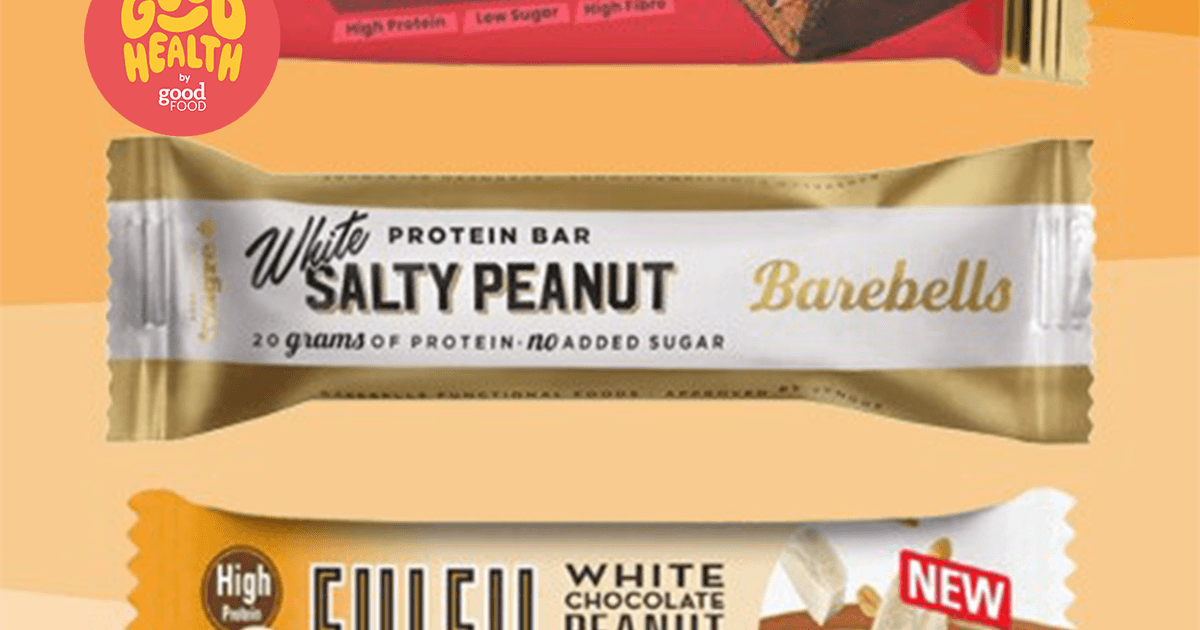
Protein bars can be a handy snack when you’re heading to the gym, squeezing in a run or trying to add more protein to a busy day. But the best protein bars vary a lot: some are high in protein and low in sugar, while others offer plant-based ingredients, fibre or slow-release carbs from oats.
We tested popular protein bars from supermarkets like M&S and health stores like Holland & Barrett, along with sports-nutrition brands like ESN and Bulk. Our health and fitness experts also weighed up nutrition versus taste, with the Zoe Gut Health Bar taking our top spot for its fibre content, followed by our best-tasting bar from Grenade. We then asked our nutritionist when to eat them and what to look for on the label.
Read on to find the best protein bar for your needs, from a pre-workout oat bar to a post-gym flapjack and a no-added-sugar chocolate option.
For more ways to boost your protein intake, see our reviews of the best protein powders and, if you follow a plant-based diet, the best vegan protein bars and best protein powders. Visit our review section for more health and fitness picks, including collagen powder, creatine, pre-workout and meal prep containers.
Best protein bars at a glance
- Best protein bar for gut health: ZOE Gut Health Bar, £28 for 12
- Best protein bar for runners: ESN GOAT Bar, £32.99 for 12
- Best supermarket protein bar: M&S Raspberry and Vanilla Chocolate Protein Bar, £2.25 for 1
- Best natural protein bar: Holland & Barrett TriActive Almond and Dark Chocolate Bar, £1.87 per portion
- Best lower-calorie protein bar: Protein Works Loaded Legends Choc Fudge, £15.99 for 12
- Best protein bar for muscle gain: Optimum Nutrition Chocolate Sweet Coconut Protein Bar, £29 for 12
- Best-tasting protein bar: Grenade Soft Core Double Chocolate Protein Bar, £22 for 12
- Best protein bar for snacking: More Nutrition More Protein Satisbites, £2.89 per 50g portion
- Best post-workout protein bar: Bulk Protein Flapjack, Triple Chocolate, £19.49 for 12
- Best low-sugar protein bar: Warrior Crunch Choc Chip Cookie Dough Protein Bar, £19.99 for 12
- Best no-added-sugar protein bar: Barebells White Salty Peanut Protein Bar, £23.99 for 12
Jump to:
How we tested protein bars
- Taste and texture: is the flavour pleasant? Is the texture palatable?
- Type of protein: whey or plant-based? Concentrate, isolate or hydrolysate?
- Nutrient profile: how much protein per serving? What about calories, fat, saturated fat, carbohydrates and sugars?
- Type of sweetener: does it contain sugars, artificial sweeteners or neither?
- Dietary requirements: vegetarian, vegan, gluten-free?
- Value for money: how does it compare to others on a cost-per-bar basis?
All bars were blind taste tested, with thorough notes made according to the testing criteria. We’ve tested over 30 samples from a range of manufacturers with differing nutritional information, protein types and price points for this review.
Best protein bars to buy in 2026
ZOE Gut Health Bar
Available from ZOE (£28 for 12)
Best protein bar for gut health
Star rating: 5/5
- Grams of protein: 7g per bar
- Fibre: 8g per bar
- Sugar: less than 5g per bar
- Type of protein: whole-food plant blend, including nuts, seeds, pulses and quinoa
- Flavours: 70% Dark Chocolate and Sea Salt; Raspberry and Goji Berry
This may not be the most indulgent bar or the highest in protein, but two bars provide 14g of protein and 16g of fibre. The highlight for me is the whole-food ingredients, with no artificial sweeteners, emulsifiers or gums. The dark chocolate was crunchy and still felt like a treat, while the raspberry and goji berry flavour had a subtle sweetness.
You can order both flavours or stick to your favourite. At around £2.33 per bar, it’s a premium option, but a good one to keep in your bag if you’re more focused on fibre and ingredient quality. For a bar with simple, recognisable ingredients, this is a favourite.
Available from:
ESN GOAT Bar
Available from ESN (£32.99)

Best protein bar for runners
Star rating: 5/5
- Grams of protein: 14g per 55g bar
- Calories: approximately 200 kcals
- Type of protein: egg white protein
- Main ingredients: oats, nuts, fruit, dates and honey
- Flavours: Almond, Lemon Poppy Seed and Salted Peanut
This is a tasty, more natural-feeling option, made with recognisable ingredients such as oats, egg whites, nuts, fruit, dates and honey. It’s a welcome change from bars with long lists of added sweeteners and fillers, while still giving you 14g of protein alongside fibre and complex carbohydrates.
There are three flavours to choose from: Almond, Lemon Poppy Seed and Salted Peanut. The almond was my favourite, but the lemon and salted peanut options bring a fresh or sweet-salty twist. At around 200 calories, it’s a satisfying grab-and-go choice for breakfast, work or before training.
Available from:
M&S raspberry and vanilla chocolate protein bar
Available from Ocado (£2.25 for 1) Marks & Spencer (£2.25 in store)

Best supermarket protein bar
Star rating: 5/5
- Grams of protein: 36.8g per 55g bar
- Calories: 370 kcals
- Type of protein: whey protein isolate
- Type of sweetener: sucralose
- Carbohydrates: 31.5g (3g sugar)
Tangy, refreshing raspberry makes a delicious addition to this nougat-like bar. With protein crispies on the top, it feels like a real treat, but it’s actually low in sugar. There are so many chocolatey protein bars, so testers felt that this one was a nice change. Others noted that it doesn’t leave an overly sweet or cloying taste in your mouth.
Available from:
Holland and Barrett almond and dark chocolate bar
Available from Holland and Barrett (£1.87)

Best natural protein bar
Star rating: 5/5
- Grams of protein: 7.8g per 50g bar
- Calories: 271 kcals
- Type of protein: almonds
- Type of sweetener: honey, date paste
- Carbohydrates: 15g (1.4g sugar)
If you want a pre- or post- workout snack that’s made with all-natural ingredients, you need to try this delicious nutty bar. The flavour is rich, chocolatey and coconutty, meaning this bar scored top marks for taste as well as quality. It might not be as high in protein as some others, but it’s a fantastic choice for upping your energy and supporting your body during exercise.
Available from:
Protein Works Loaded Legends choc fudge flavour
Available from Protein Works (£15.99 for 12), Amazon (£24.27 for 12)

Best lower-calorie protein bar
Star rating: 5/5
- Grams of protein: 14g per 47g bar
- Calories: 163 kcals
- Type of protein: soy protein, milk protein, wheat protein
- Type of sweetener: isomalt, sucralose, maltitol
- Carbohydrates: 15g (1.4g sugar)
This bar has a really moreish texture similar to nougat, multiple testers noted that the dark chocolate is a nice change from some of the more sugary protein bar flavours, like birthday cake. It’s also a good size, compared to some of the heftier bars we tried, this was perfect for a light snack and won’t sit heavily in your stomach. It also stacks up an impressive amount of fibre, which contributes to feelings of fullness.
Available from:
Optimum Nutrition Chocolate Sweet Coconut Protein Bar
Available from Optimum Nutrition (£2.75)

Best protein bar for muscle gain
Star rating: 4.5/5
- Protein per bar: 18g
- Calories per bar: 255 kcals
- Protein sources: milk protein, soya protein isolate and hydrolysed collagen
- Sugar per bar: 12g
- Fat per bar: 12g
- Bar size: 59g
This has been a favourite of mine for years because it tastes just like a classic chocolate coconut bar. The smooth milk-chocolate coating gives way to a soft centre packed with grated coconut, with none of the dense, rubbery texture or chalky protein aftertaste found in some bars.
Each 59g bar provides 18g protein from milk protein, soya protein isolate and hydrolysed collagen. It felt satisfying as a snack and delivered a meaningful protein boost, while still tasting like a treat rather than a sports-nutrition product.
The trade-off is its richer nutritional profile: one bar contains 255 calories, 12g sugar, 12g fat and 9g saturated fat. At £2.75, it is also relatively expensive for a single bar. However, the convincing coconut flavour, soft texture and substantial chocolate coating make it the one I would choose when taste matters as much as protein.
Available from:
Grenade Soft Core Double Chocolate Protein Bar
Available from Grenade (£22 for 12)

Best-tasting protein bar
Star rating: 4.5
- Grams of protein: 15g per 50g bar
- Calories: 178 kcals
- Type of protein: calcium caseinate, whey protein concentrate and bovine collagen hydrolysate
- Type of sweetener: maltitol
- Sugar: 1.7g per bar
- Polyols: 16g per bar
The triple-chocolate format sets this bar apart, with cocoa dough, a soft chocolate centre and a milk-chocolate coating. It provides 15g of protein for 178 calories, with just 1.7g of sugar. That low sugar figure comes with 16g of polyols, mainly maltitol, which may have a laxative effect.
It also contains 4.2g of saturated fat and 2.6g of fibre. Some of its protein comes from bovine collagen, so it’s not suitable for vegetarians or vegans. However, testers raved that this was the best-tasting, and was more like a dessert than a protein bar.
Available from:
More Nutrition More Protein Satisbites
Available from More Nutrition (£2.89 per 50g portion)

Best protein bar for snacking
Star rating: 4.5/5
- Protein: up to 16g per 50g portion
- Calories: under 200 kcals per portion
- Sugar: no added sugar; contains naturally occurring sugars
- Flavours tried: Milk Chocolate Pistachio and Dark Chocolate Caramel Brownie
- Format: two 25g bites
More Nutrition offers a variety of flavours for their Satisbites, however the Pistachio and Dark Chocolate Caramel Brownie were my favourites. Both had a rich chocolate flavour and creamy centre with a little crunch; neither tasted synthetic, and they felt like proper treats rather than typical protein bars.
The two-bite format is handy if you want to save one for later, and each portion provides up to 16g of protein with no added sugar. However, the ingredient list is quite long and includes maltitol and sucralose, so these aren’t the cleanest option. But for a satisfying, dessert-like protein snack, they’re a strong pick.
Available from:
Bulk Protein Flapjack, Triple Chocolate
Available from Bulk (£19.49 for 12)

Best post-workout protein bar
Star rating: 4.5/5
- Grams of protein: 15g per 80g flapjack
- Calories: 338 kcals
- Fibre: 12g
- Sugar: 10g
- Type of protein: soya protein, milk protein isolate and oats
- Flavour: Triple Chocolate
If you’re after a proper chocolatey flapjack, this one brings together milk, dark and white chocolate chips in a soft, oaty bar. We liked it for its taste and texture, and the generous 80g size makes it a satisfying snack. It also packs in 15g of protein and an impressive 12g of fibre.
The trade-off is that it’s more substantial than a light protein bar, at 338 calories, and the ingredient list includes palm oil, glycerol and xanthan gum. Still, at around £1.62 per bar on offer, it’s a tasty, filling choice when you want a chocolate treat with added protein and fibre.
Available from:
Warrior Crunch Choc Chip Cookie Dough Protein Bar
Available from Warrior (£19.99 for 12)

Best low-sugar protein bar
Star rating: 4.5/5
- Grams of protein: 20g per 64g bar
- Calories: 220 to 240 kcals, depending on flavour
- Sugar: less than 2.3g per bar
- Flavour: Choc Chip Cookie Dough
- Format: crispy protein centre, smooth caramel layer and chocolate coating
With a selection of flavours to choose from, the Choc Chip Cookie Dough flavour was a highlight, with a mix of crispness, soft caramel and chocolate. That triple-layered texture makes it stand out from denser protein bars, while each 64g bar still provides 20g of protein and less than 2.3g of sugar.
It’s a satisfying choice when you want something sweet after a workout or as an on-the-go snack. At around £1.66 per bar in a box of 12, it’s good value too.
Available from:
Barebells white salty peanut protein bar
Available from Barebells (£23.99 for 12), Amazon (£28.99 for 12), Ocado (£2.90)

Best no-added-sugar option
Star rating: 4/5
- Grams of protein: 20g per bar
- Calories: 209 kcals
- Type of protein: milk protein and collagen peptides
- Type of sweetener: maltitol, sucralose
- Carbohydrates per serving: 14g (1.5g sugar)
This Barebells flavour is a winner in our book – a fluffy, slightly chewy bar, studded with caramel-dipped chunks of peanut, covered with a generous white chocolate coating. It’s a good choice if you don’t want any added sugar in your snack, although it does contain sweeteners maltitol and sucralose.
Available from:
Other protein bars we tested
ESN Designer Protein Bar Fudge Brownie, 5/5 stars, £2.29 for 1
ESN Designer Protein Bar White Chocolate and Pistachio, 5/5 stars, £25.99 for 12
CLIF White Chocolate Macadamia Nut Bar, 5/5 stars, £16.99 for 12
Grenade Chocolate Chip Salted Caramel Protein Bar, 5/5 stars, £27 for 12
Grenade Jaffa Quake Protein Bar, 4/5 stars, £27 for 12
33Fuel Eroica Natural Protein Bars, 3.5/5 stars, £21.99 for 5
Are protein bars ultra-processed foods?
Most commercially available protein bars contain a blend of protein isolates or concentrates, plus various additives that enhance taste, texture and shelf stability. These are ingredients that go beyond what would be used in a home kitchen, and the resulting product is far removed from whole, natural foods and would place protein bars firmly in the UPF category.
There are growing concerns about the health implications of eating too many UPFs. Diets high in ultra-processed foods have been linked to a greater risk of obesity, heart disease, type 2 diabetes, certain cancers, and even depression. However, it isn’t clear whether it’s the UPFs themselves resulting in health problems, or associated lifestyle factors. UPFs tend to be energy dense but low in nutrients, often containing high levels of sugar, fat and salt, while lacking fibre, vitamins and minerals.
Despite these concerns, not all UPFs are inherently harmful. Some, such as fortified foods or products designed for specific dietary needs, can play a useful role in supporting health, especially when whole food options are limited. Enjoying the occasional protein bar or other UPF as part of a balanced, varied diet is unlikely to cause harm, particularly if most of your meals are based on whole and minimally processed foods. The overall quality and balance of your diet is far more important than whether you include the odd ultra-processed item.
When should you eat a protein bar?
This depends on whether you’re using protein bars to hit a certain fitness goal or just to keep you full. Eating a protein bar one or two hours before a workout can increase your performance and boost energy levels.
Just be sure to leave plenty of time to digest, otherwise you may suffer from cramps and stomach issues. Alternatively, eating a protein bar 30-60 minutes after a workout can help you refuel and build muscle. If you find you get hungry between meals, pack a protein bar to go.
How to use protein supplements safely
Dietary supplements such as protein bars should be consumed as part of a healthy, balanced diet, and not used as a substitute for whole food.
Nutritionist Kerry Torrens explains, ‘Protein supplements, such as bars, are highly processed and lack the micronutrients and other beneficial nutrients of whole, natural food. We should all aim to achieve our protein requirements from a well-balanced diet, but for short-term use or in certain circumstances, protein supplementation may be considered.’
Although protein bars may have healthier credentials than a chocolate bar, it’s important to remember that they are a concentrated source of energy and can be high in sugar, carbohydrates and fats.
Consider your individual health and fitness goals, your personal dietary requirements and your reason for including protein bars in your diet when deciding which product to buy and how often to eat them.
Who could benefit from using a protein supplement?
If you’re regularly getting enough protein from your diet, adding a supplement might not make a noticeable difference to your health. However, those who are either unable to regularly eat enough protein due to decreased appetite or illness, or who have increased protein needs as a result of high-intensity exercise might benefit from taking a supplement.
Kerry explains, “One example, which is probably not an obvious one, is the elderly. This group often has a greater need for protein, but a lower appetite. Increasing protein intake in a form that is palatable and suits their lowered appetite may be effective in protecting against muscle loss.”
“That said, in this group other aspects, such as kidney health and osteoporosis, need to be considered and monitored – it’s worth checking with a GP that protein supplements are safe and suitable for each individual.”
Who shouldn’t take protein supplements?
Children shouldn’t take protein supplements unless directed by a dietitian. The NHS advises that consuming too much protein in the long term is linked to an increased risk of osteoporosis, and may worsen existing kidney problems.
Some people find protein bars difficult to digest – it’s best to include them gradually into your diet, and see how you get on. Although allergens should be stated on the label, anyone with allergies should be cautious about using a new supplement, as there is an obvious risk of cross-contamination in factories.
Those who are pregnant, breastfeeding or being treated for existing medical conditions should consult their GP before starting new supplements.
Is it possible to take too much protein?
Yes. The Department of Health advises adults to avoid consuming more than twice the recommended daily intake of protein (55g for men and 45g for women). Always read the label of any protein supplement carefully, stick to the recommended serving size, and be mindful of other protein sources in your diet. If you’re concerned that you might be consuming too much protein, speak to your GP.
Buyers’ advice
How to choose a protein bar
Choosing a suitable protein bar will depend on your personal requirements and goals. For example, if you’re looking to gain weight or build muscle, you might want to consider a ‘mass-gainer’ product that is higher in calories and carbohydrates. Look for a product to fit your dietary requirements and double check allergen labelling on the packet.
When choosing a protein bar, make sure that you buy from a reputable company, ideally based in Europe, as those that are based outside of Europe may not pass the same safety standards as those within. If you’re in any doubt about the safety of a product, speak to your pharmacist or GP.
Related content
More health-focused reviews
Best sports water bottles
Best collagen powders
Best health gadgets
Best fitness trackers for kids
Best meal prep containers
Best kombucha to buy
Best magnesium supplements
Best pre-workout supplements
Best creatine supplements
All health content on goodfood.com is provided for general information only, and should not be treated as a substitute for the medical advice of your own doctor or any other health care professional. If you have any concerns about your general health, you should contact your local health care provider. See our website terms and conditions for more information.
This review was last updated in November 2024.