Forget the gym: 6 everyday tasks experts say help burn calories and keep you fit

Whoever said you needed to rely on a gym membership to stay active, fit and strong is most certainly wrong.
Even everyday movements, such as taking the stairs and carrying the shopping, can help you maintain your strength and fitness.
“As we get older, staying active becomes even more important, as we naturally lose muscle mass with age. This can impact how well we move and live,” says Will Duru, PT and founder of 12Reps app. “Little bursts of activity throughout the day all add up and can contribute to your strength and balance, helping keep your joints mobile and heart healthy.”
So, is it time you stopped overlooking the ordinary, everyday tasks?
6 everyday tasks that help you stay fit
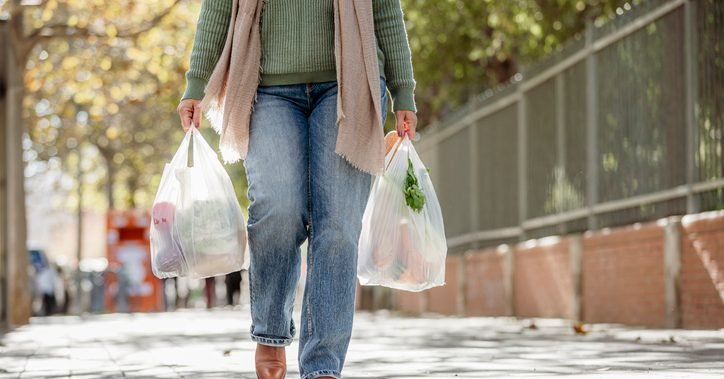
1. Carrying the shopping
Instead of parking the car right next to the supermarket doors, consider leaving a little extra distance. The walk from store to car while carrying shopping bags is an easy way to add some strength training into your routine while also challenging your grip strength.
A 2012 study in the journal Age revealed that a stronger grip could increase your chances of living past 100. The 2,239 male volunteers in the study had their grip strengths measured when they were between 56-68 years old. Those who hit the 100-year milestone were 2.5 times more likely to have had the highest grip strength results.
Although grip strength itself won’t help you live longer, Will says it normally correlates with your total lean muscle mass: “Carrying heavy shopping helps increase muscle mass, strengthening your arms, shoulders and core, which is working hard to keep you upright.
“Muscle is really important for protecting bone, as the forces created when your muscles work help stimulate and maintain bone strength. Stronger muscles also improve your balance and stability, reducing the risk of falls. This is one of the biggest causes of fractures as we age,” warns Will.
Liam Hogan, a performance coach and head of fitness at VEYR fitness app. adds that a strong grip is the foundation to carrying out daily tasks well: “Most daily tasks start with the hands, whether that’s holding, pushing, squeezing or typing. The stronger the grip, the longer you can carry out any given task, which in turn helps increase longevity of movements and boost both fitness and strength.”
How to boost it: aim to make sure your shopping bags are filled with equal weight so both sides of your body are balanced. Maintain good posture by keeping your back upright and shoulders back. Flimsy shopping bags not letting you pack much weight in? Take strong tote bags next time you hit the supermarket; you’ll do your strength a favour!
2. Taking the stairs
Skip the lift and get your heart rate up instead by taking the stairs. You’ll be working your heart and lungs, strengthening your heart and improving your cardiovascular fitness.
“Regular aerobic exercise such as stair climbing increases how efficiently your heart pumps blood and delivers more oxygen with less effort, reducing your risk of heart disease,” says Will.
Liam adds: “Taking the stairs or even walking a hill or incline can help increase lower body strength, too. All major lower body muscles win here, including quads, glutes, hamstrings and calves.”
Climbing more than five flights of stairs every day has even been shown to potentially reduce your risk of cardiovascular disease by 20 per cent, according to research published in the journal Atherosclerosis. With over 8 million people in the UK affected by cardiovascular disease, taking the stairs could be a simple way to help reduce your chances of being affected.
How to boost it: “To increase the intensity, move faster or make the movements larger – in this case, skipping a step or two,” adds Liam. Just stay close to the handrail in case you lose your balance.

3. Gardening
Green-fingered folk rejoice, as your time in the garden is doing your fitness the world of good. Not only is your strength tested as you lift, carry, push and dig, but your mobility is also challenged as you stretch and bend through different positions.
“Gardening is great to challenge the body to move in predictable and unpredictable ways; there’s often no movement uncovered. From squatting down to plant seeds and lifting a watering can high to water hanging baskets, to pushing a lawnmower or raking a lawn, all of these are real, everyday movements,” says Liam.
Make gardening more comfortable by kneeling on pads, rather than a hard floor, and mixing up your tasks so your body doesn’t feel the strain. Let’s not forget the mental benefits of gardening, too: a research review that included 40 studies found that gardening had an overall positive impact on mental well-being and even quality of life.
How to boost it: Liam says that mastering your moves can also help to avoid any aches: “When squatting, think about taking a seat; when bending, aim for soft knees and a proud chest; when lifting from the floor, think about straight arms, flat back and eyes forward; when you push, go for locked arms and squeeze your shoulder blades; and for pulling moves, think about shoulders back and braced core,” explains Liam.

4. Waiting for the kettle, microwave, bus…
Even the few minutes during the ad break of your favourite TV show or while you’re brushing your teeth can be moments of useful activity.
“Try some calf raises. Stand upright and slowly lift your heels off the floor, then lower them back down to help strengthen your lower legs and improve your balance,” says Will.
“Standing on one leg is also good to test your balance and stability.”
This is also a good time to stretch. Try a roll down, rolling your arms down towards the floor, or go for arm circles or leg swings. Even a few minutes of stretches throughout the day can loosen up your muscles and joints, and reduce stiffness.

5. Housework
Cleaning, vacuuming, mopping, changing the bedsheets… the mundane tasks that you may do without thinking are in fact supporting your fitness.
“You don’t realise it, but all your muscles are working as you clean the house. Your arms in particular work hard to move the hoover, dust high shelves, scrub the dishes and even hang out the washing,” says Will.
“Plus, housework can burn up to 200 calories an hour, based on how vigorously you clean. Housework also breaks up the often long periods spent sitting down.”
A recent study of more than 91,000 people published in PLOS Medicine found that sitting in long, unbroken stretches was linked to a higher risk of dying from cancer. Replacing just one hour a day of long, unbroken sitting with one hour of light activity, such as folding up the washing, was associated with a 12 per cent lower risk of death by cancer.

6. Walking the dog
Perhaps the most underrated form of movement there is, yet walking is something that pretty much all of us can do in some capacity.
“Walking, especially brisk walking, works your heart and lungs, improving cardio fitness and protecting your heart,” says Will. “It also engages the muscles in your legs without placing much impact on your joints, unlike running.”
In a study published in the British Journal of Sports Medicine, researchers found that 11 minutes a day (75 minutes a week) of moderate-intensity physical activity, such as a brisk walk, was enough to lower the risk of life-threatening diseases such as heart disease, stroke and various cancers.
How to boost it: if you can, take several smaller walks throughout the day (rather than one long one) to break up any long periods of sitting. Your pooch will be grateful for the extra walks, too!